Shotguns for Illinois pheasants, ducks and geese
Illinois has two very different shotgun traditions. One is walking corn stubble and CRP grass for roosters in the northern and western counties. The other is sitting a pit or a timber hole on the Illinois and Mississippi rivers, which have carried migrating ducks since long before anyone drew a zone line. This guide covers the 2026-27 seasons as published in September 2026 and the guns that fit each job. Confirm every date in the current Illinois Department of Natural Resources digest before you hunt.
Pheasant season 2026-27
Pheasant season is roosters only, sunrise to sunset. For 2026-27 the North Zone runs November 7, 2026 to January 8, 2027, and the South Zone runs November 7, 2026 to January 15, 2027. Quail and rabbit seasons run on a similar calendar; check the digest for the exact overlap in your county.
Wild bird numbers in Illinois depend heavily on grass cover, so the best public hunting tends to be reclaimed strip-mine ground and large grassland tracts rather than ordinary farmland. Snakeden Hollow near Galesburg in Knox County, Jim Edgar Panther Creek in Cass County and the Green River country in the north-west are the names that come up most often. The IDNR also runs a controlled pheasant hunting programme at a number of sites, with daily permits, set hunting periods and released birds. It is a good way to start a dog and it books up, so reserve early.
Waterfowl: three zones from 2026
The waterfowl zone structure changed for the 2026-2030 seasons. The old South Central and South zones were merged, leaving three duck zones: North, Central and South. Roughly, the North Zone covers the top of the state, the Central Zone runs down to about Interstate 70, and the South Zone covers the rest. For the first time all three zones have split seasons.
For 2026-27 the North Zone duck season runs October 24 and 25, then October 31 to December 27, 2026. The Central Zone runs October 31 to December 13, 2026, then December 19, 2026 to January 3, 2027. Published South Zone dates have varied between sources, so look up the South Zone on the official IDNR waterfowl page before you plan a trip. Canada goose seasons follow their own zone lines and dates, and the light goose conservation order runs later in the winter under separate rules.
Shot, plugs and stamps
Non-toxic shot is required for waterfowl, and many IDNR sites require non-toxic shot for all hunting on the property regardless of species. Steel, bismuth, tungsten and the other approved alloys all work, but they pattern differently and steel needs more choke and a larger pellet than lead for the same result.
Your shotgun may not be capable of holding more than three shells in the magazine and chamber combined. A shotgun with a larger capacity has to be fitted with a one-piece plug that cannot be removed without dismantling the gun. The three-shell limit is lifted only during the light goose conservation order. You also need an Illinois hunting licence, a state habitat stamp, a federal duck stamp and HIP registration before you hunt migratory birds.
Choosing the gun
For roosters, a 12 or 20 gauge that swings easily is worth more than raw power. A light over-and-under or a 20 gauge semi-automatic with improved cylinder and modified chokes, loaded with 5s or 6s, covers most walk-up shooting, and late-season wild birds flushing wide justify a tighter choke and a heavier load. A 16 gauge is a pleasant middle ground if you already own one.
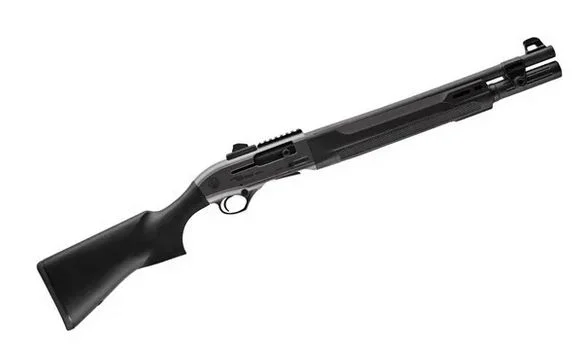
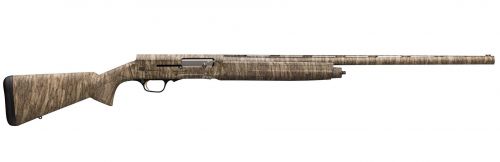
For ducks over decoys, a 12 gauge semi-automatic with a three-inch chamber is the default: reliable in cold and mud, soft-shooting with heavy steel loads, and easy to plug. Improved cylinder or modified with 2s or 3s handles mallards in timber, and a tighter choke with larger shot suits divers on open water off Waukegan or the Mississippi pools near Moline. For geese in a field pit, step up to BB or larger and a modified or improved-modified choke.
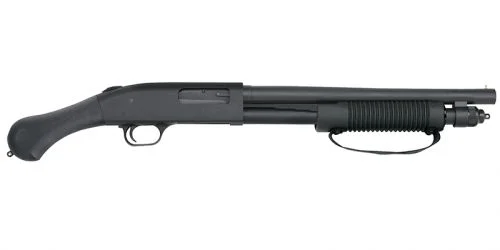
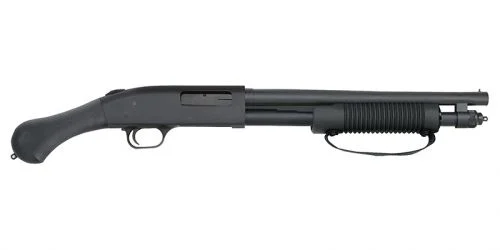
Pumps still earn their keep in a layout blind or a mud boat where grit and water ruin a gas system's day. Whatever you carry, camouflage or a dull finish helps, and a sling makes a long walk into a moist-soil unit far less tiring. You can browse field and waterfowl shotguns in our catalogue, and every firearm ships to a licensed Illinois dealer.
Where the birds are
The Illinois River valley from Ottawa down through Peoria to Havana is the historic heart of Illinois duck hunting, and the state sites along it, Banner Marsh, Rice Lake, Spring Lake and Sanganois, run daily draws through the season. On the Mississippi, the pools around the Quad Cities and the Quincy Bay complex in Adams County hold divers and late-season mallards. Southern Illinois adds Rend Lake, Carlyle Lake and the Horseshoe Lake goose country that once defined Canada goose hunting in the Midwest.
Public waterfowl sites in Illinois generally work on a draw or a site-specific permit system rather than first-come access, and many sites open only on set days. Read the individual site regulations on the IDNR pages and call ahead, because hours, blind assignments and shell restrictions change from one property to the next.
Before you order
Illinois requires a FOID card to acquire firearms and ammunition, and a 72-hour hold applies at the dealer counter. Standard hunting shotguns are not affected by the state's 2023 restrictions, but semi-automatic shotguns with certain features are, so read the Illinois gun laws guide before you buy one. Deer hunters should also read the deer season guide, since slug guns and shotguns for birds are rarely the same tool. Use the city index to find the public sites and the nearest dealers in your county.
General information, not legal advice. Current as of September 2026. Laws change; check the official source before you act.