The Illinois Concealed Carry Licence, step by step
Illinois was the last state in the country to allow concealed carry, and the Firearm Concealed Carry Act that arrived in 2013 is still one of the most demanding licensing schemes in the United States. Everything runs through the Illinois State Police; no county sheriff issues a licence here. This guide explains who can apply, what the training costs, how long it takes and where a licence does not help you. It is general information as of September 2026, not legal advice.
Who can apply
You must be 21 or older, hold a valid FOID card if you are an Illinois resident, and not be prohibited under state or federal law. Applicants have to account for their residency for the past ten years, submit a recent photograph and provide fingerprints. Fingerprints are technically optional, but skipping them adds 30 days to the review and is rarely worth it.
Non-residents may apply only if they live in a state the Illinois State Police has determined has substantially similar firearm laws. That list has been short and has changed over time; the ISP has listed Arkansas, Idaho, Mississippi, Nevada, Texas and Virginia. Check the current list on the ISP site before you pay for training. Illinois does not recognise any other state's carry permit, so a visitor from a non-listed state cannot carry a loaded handgun here at all.
Sixteen hours of training
The heart of the application is 16 hours of instruction from an ISP-approved concealed carry instructor. The curriculum is set by statute and covers firearm safety, the basics of handgun handling, state and federal law on the use of force, and a live-fire qualification. Most instructors run it as two eight-hour days. Prior training, military service or a current carry licence from another state can earn credit for part of the requirement, but the ISP caps how much can be credited, so confirm with your instructor before you assume you only owe eight hours.
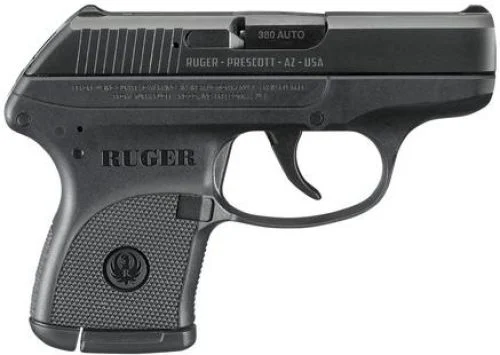
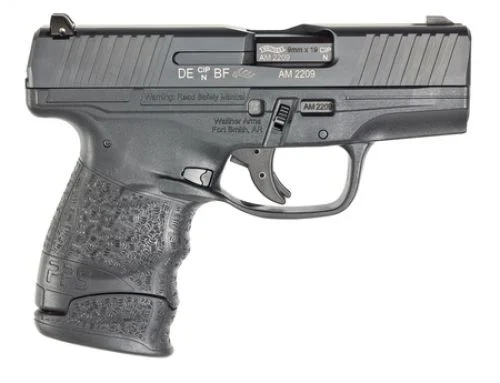
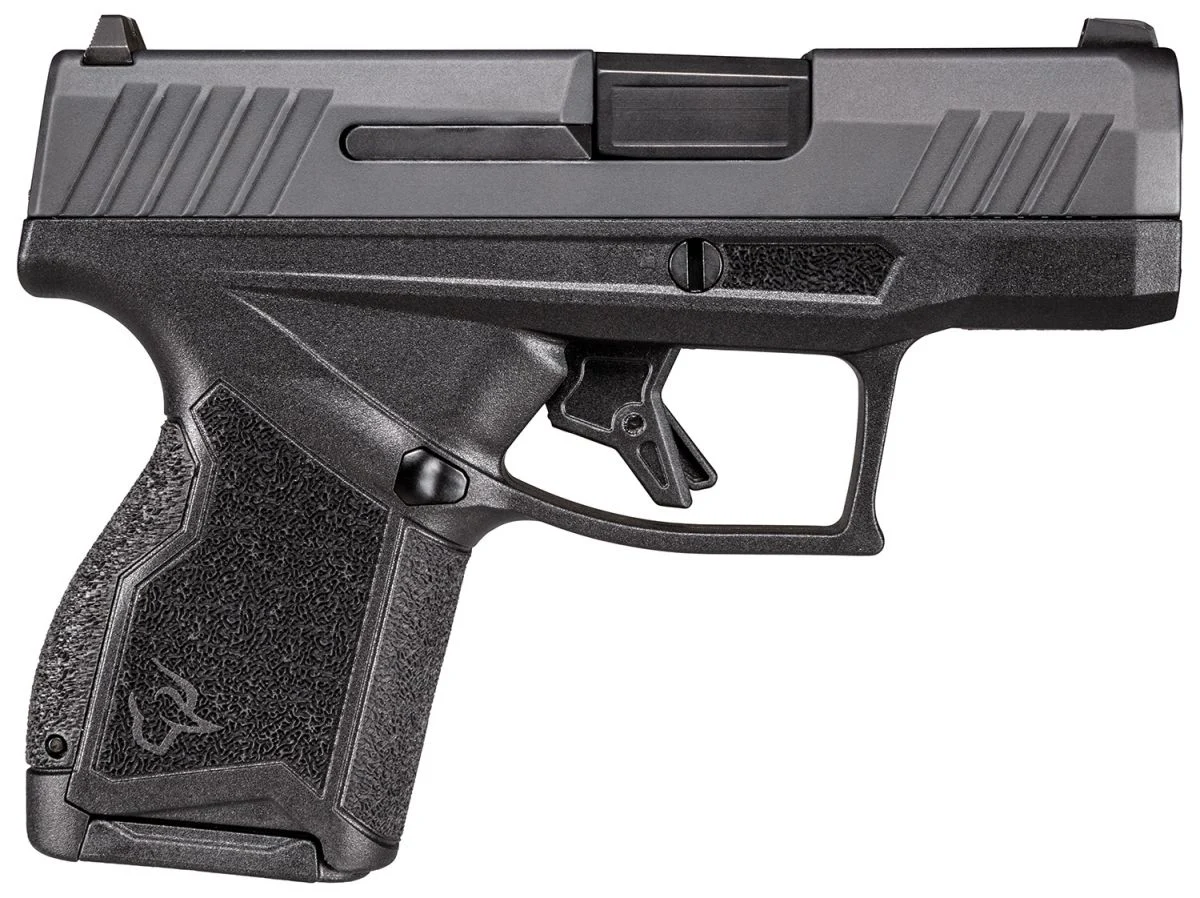
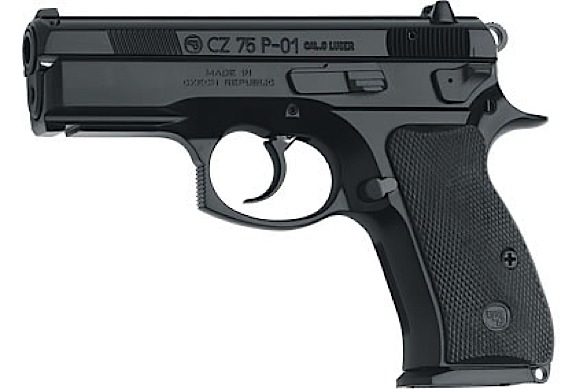
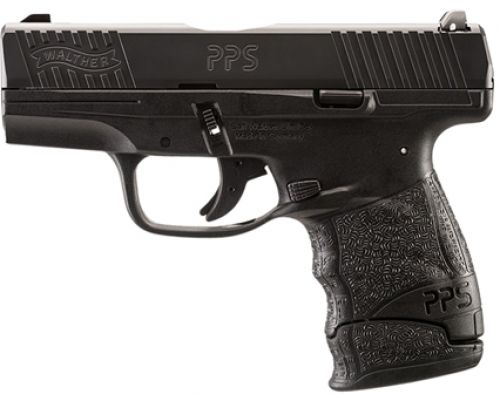
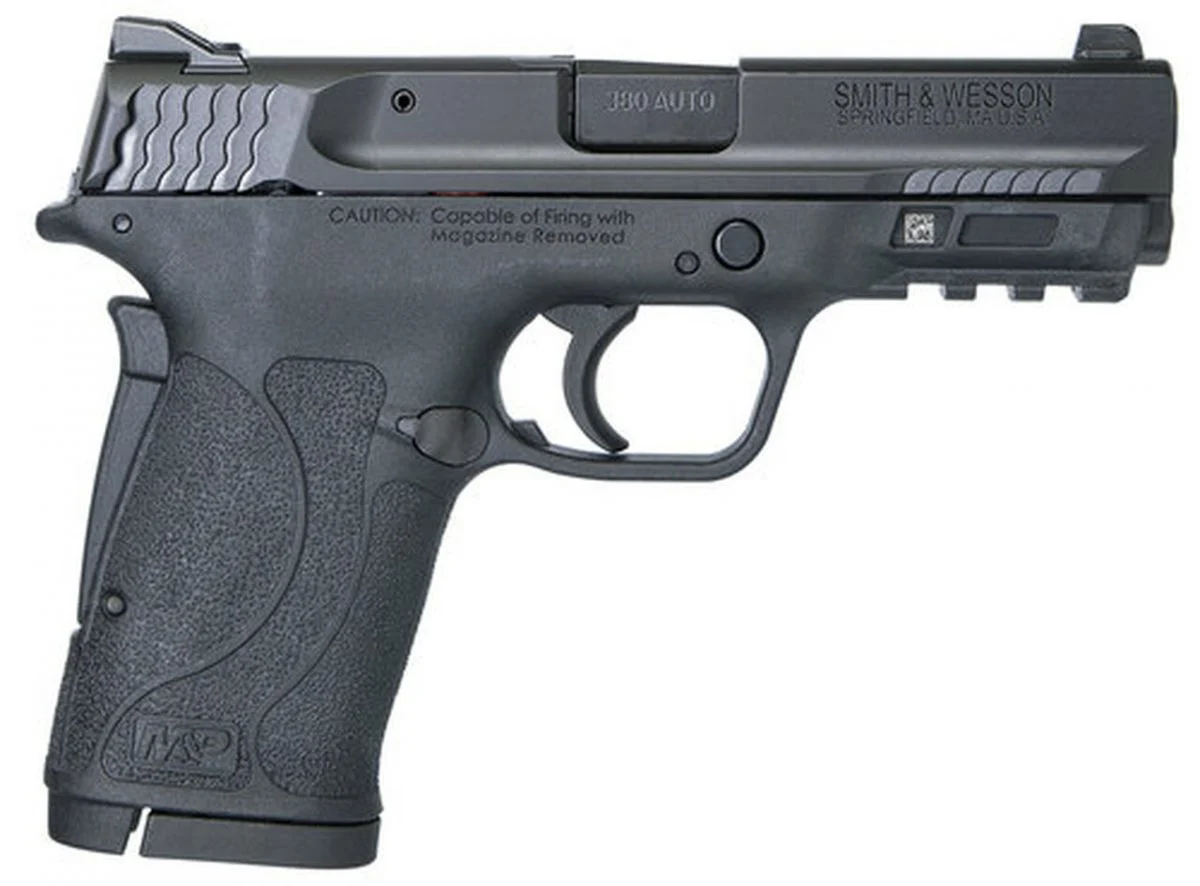
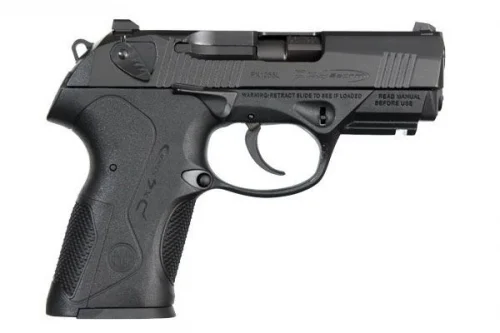
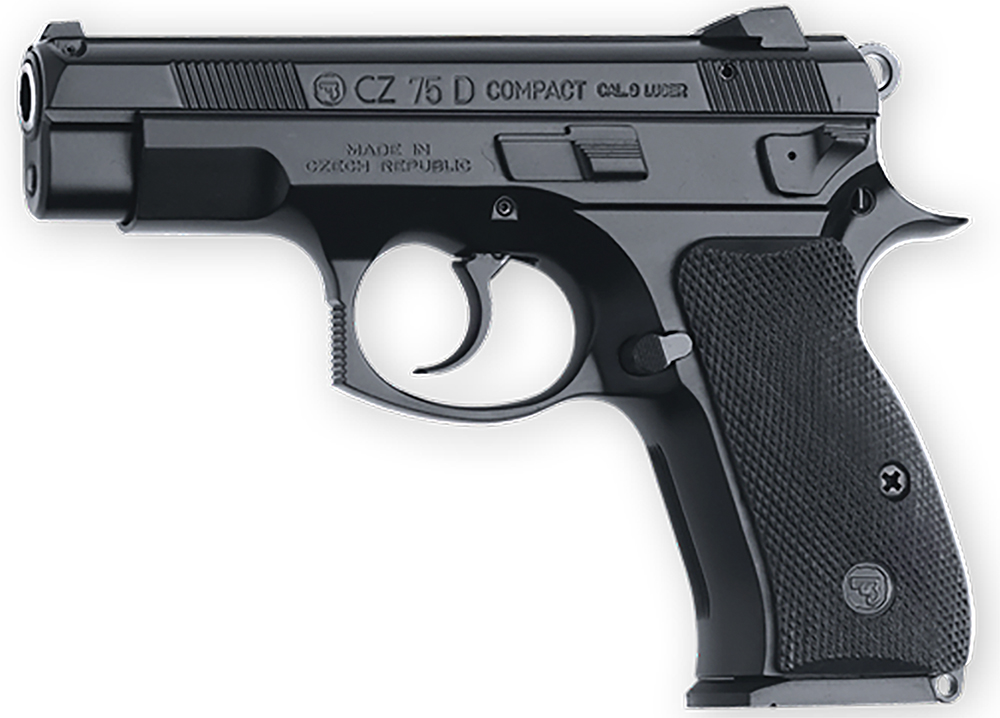
Bring a handgun you actually shoot well to the qualification. The course is not a marksmanship contest, but a pistol that fits your hand will make the day easier. Our catalogue carries the compact and micro-compact 9mm pistols most Illinois licensees end up carrying, and remember that any magazine we send to Illinois is limited to 15 rounds for a handgun under the state's 2023 law, which is explained in the Illinois gun laws guide.
Fees and how long the licence lasts
The application fee is $150 for Illinois residents and $300 for non-residents, paid by card or electronic check through the ISP portal. A licence is valid for five years statewide. Renewal costs the same and requires three hours of refresher training rather than a full 16, plus a fresh background check. Training and fingerprinting are billed separately by the instructor and the vendor, so budget several hundred dollars in total for a first licence.
Processing is not quick. The statute gives the Illinois State Police 90 days to act on a complete application with fingerprints and 120 days without them, and the agency has run at or near those limits for years. Between the FOID wait, booking a two-day course and the licence review, a Chicago-area resident starting from nothing should expect several months before a licence arrives. Start the FOID application first, because the CCL application cannot be completed without a valid FOID number for a resident.
Applications are reviewed by the ISP and by a Concealed Carry Licensing Review Board. Local law enforcement, including your county sheriff, may file an objection to an application, and the board decides whether the objection stands. That is the only role the county plays.
Where you cannot carry
The prohibited-places list in the Firearm Concealed Carry Act is long, and it is the part that catches most new licensees. Carry is barred in schools and on school grounds, on college and university campuses, in pre-schools and child care facilities, in government buildings, courthouses, jails and prisons, in hospitals, mental health facilities and nursing homes, in public playgrounds and parks, on Cook County Forest Preserve property, in stadiums and arenas, at amusement parks, zoos and museums, in airports past security, in any establishment that makes more than half its receipts from alcohol, at public gatherings requiring a permit, and on any private property where the owner has posted the state-approved sign.
Public transportation is the one that matters most in the Chicago area. Illinois bars licensed carry on buses, trains and their platforms, including the CTA and Metra. A federal district judge held that ban unconstitutional as applied to the plaintiffs in Schoenthal v. Raoul in 2024, but the Seventh Circuit reversed in 2025 and the Supreme Court declined to take the case in April 2026. The ban stands. If you commute into the Loop by train, the licence does not travel with you.
Vehicles, storage and carry without a licence
A licensee may carry a concealed handgun in a vehicle and may keep it in a case in the vehicle when entering a parking area of a prohibited location. Without a licence, a firearm in a vehicle must be unloaded and enclosed in a case, in a firearm carrying box, a shipping box or a container other than the glove compartment or console. A valid FOID is still required.
A licence does not suspend the rest of Illinois law. You still cannot carry while consuming alcohol, you must present the licence and your FOID if a police officer asks, and a change of address has to be reported to the Illinois State Police within 30 days. If your FOID lapses, your carry licence goes with it, so watch both expiry dates.
Illinois has no state preemption broad enough to override every local ordinance, so check the rules where you live. For the Chicago metro specifically, read the Chicago buying guide, and look up your city page for the local detail. If you hunt, the field rules are different again and are covered in the deer season guide and the upland and waterfowl guide.
General information, not legal advice. Current as of September 2026. Laws change; check the official source before you act.