Firearms Training for Beginners in NJ
Firearms Training for Beginners in NJ
New Jersey law requires you to demonstrate “justifiable need” for a handgun carry permit, but the state mandates no formal training to purchase a firearm. That gap between legal ownership and practical skill is where accidents happen. Starting with the right training isn’t just about compliance; it’s about building a foundation of safety and confidence from round one.
Understanding New Jersey’s Legal Framework First
Before you touch a gun in New Jersey, you need to understand the rules. The Firearms Purchaser Identification Card (FPIC) is required to buy any firearm, including rifles and shotguns. For a handgun, you need a separate Permit to Purchase a Handgun for each transaction, and these permits expire. The “justifiable need” standard for a carry permit is one of the strictest in the nation, making it largely inaccessible for general self-defense. Transport laws are specific: firearms must be unloaded, in a locked case, and stored in the trunk or furthest compartment from passengers, with ammunition separate. Ammunition purchases require an FPIC or driver’s license. Ignorance of these statutes, like transporting a handgun without a permit even to a range, results in felony charges. Your first training step is studying the NJ Attorney General’s Use of Force Policy and N.J.S.A. 2C.
Choosing Your First Training Course: NRA vs. USCCA
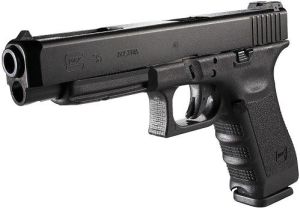
For a true beginner, a structured course is non-negotiable. The NRA Basics of Pistol Shooting is the gold standard for fundamentals. It covers safety, operation, shooting fundamentals, cleaning, and storage over an 8-hour classroom and range session. You’ll fire about 100 rounds. In New Jersey, certified instructors will weave state-specific laws into the curriculum. The alternative is a USCCA (United States Concealed Carry Association) course, which places heavier emphasis on the legal use of force, situational awareness, and post-incident procedures—critical knowledge even if you can’t carry in NJ. Look for a trainer certified by the NJ State Police. A good course provides guns and ammo; your job is to show up with eye and ear protection. This hands-on instruction is where you’ll learn grip, stance, and trigger control on a platform like a New GLOCK 35 or similar full-size 9mm, which is ideal for learning.
Essential Gear Before You Hit the Range
You don’t need your own gun for a beginner course, but you do need core safety gear. Start with ANSI Z87.1-rated safety glasses; clear lenses work indoors and out. For hearing protection, electronic earmuffs like Howard Leight Impact Sports are a game-changer. They amplify range commands while blocking harmful noise, allowing you to focus on instruction. A sturdy range bag to keep everything organized is a must. Once you’re ready to purchase, a .22LR rifle like the Shop Marlin 795 or a full-size 9mm pistol are the best beginner tools due to low recoil and operating cost. Avoid subcompacts like the Buy GLOCK 33 in .357 SIG for training; their snappy recoil teaches flinching. At Illinois Gunshop, we often guide new shooters toward these forgiving platforms to build skill correctly from the start.
Developing Fundamental Skills: Dry Fire & Live Fire
Training begins at home, unloaded. Dry fire practice—safely practicing trigger press on an empty firearm—is the most effective way to build muscle memory. Use a snap cap for rimfires. Focus on a smooth, straight-back press without disturbing the sight picture. When you move to live fire, start close—at 3 to 5 yards. Your goal isn’t speed; it’s a consistent process: present the firearm, acquire sight alignment and sight picture, press the trigger, follow through, and reset. A typical beginner drill is the “Dot Torture” test, which combines accuracy, reloads, and timed shots. Dedicate 80% of your range time to slow, precise fire. The other 20% can introduce controlled pairs or shooting from a ready position. Remember, in New Jersey, most ranges do not allow drawing from a holster without specific qualifications. Always use a bench rest or shoot from a stationary booth when starting.
Finding a Range and Continuing Education
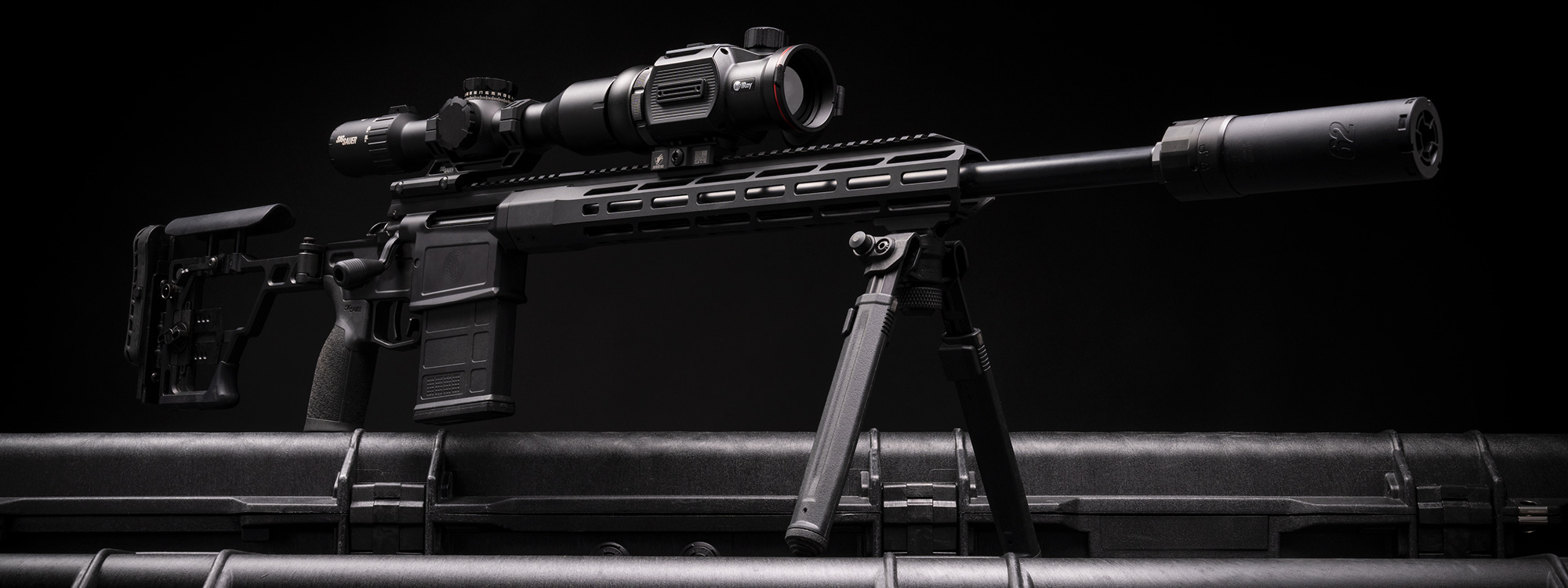
Not all New Jersey ranges are beginner-friendly. Look for a facility with a robust safety orientation and RSOs (Range Safety Officers) who are attentive, not just present. Many, like RTSP in Randolph or Gun for Hire in Woodland Park, offer rental fleets and introductory packages. After your initial course, move to a “Level 2” class focusing on malfunction clearance, shooting from cover, and low-light basics (using the range’s lights, as NJ transport laws for weapons lights are complex). Consider a precision rifle course if you purchase a platform like the CROSS STX. Training is perishable; plan for a refresher course or practice session every 90 days. Document your training for your own records. Illinois Gunshop supports this journey by providing reliable equipment, from handguns to essential accessories, so you can train with gear that won’t fail.
What is the best caliber for a beginner’s first handgun in NJ?
9mm. It offers the best balance of manageable recoil, low cost for practice ammunition, and effective terminal performance. Start with a full-size or compact model, not a subcompact. A Glock 19 or SIG Sauer P320 variant are excellent choices that you can find in our handguns collection.
Can I take a firearms training course in NJ without an FPIC?
Yes. You do not need a Firearms Purchaser Identification Card (FPIC) to take a safety or training course. Most reputable instructors and ranges will provide the firearm and ammunition for use during the class. Your eligibility to handle a firearm during training is at the discretion of the instructor and range.
How much does a full beginner setup cost, including training?
Budget realistically. A quality 8-hour NRA course runs $150-$250. Essential gear (eyes, electronic ears, range bag) is another $100-$150. A reliable first handgun like a Glock 19 or S&W M&P 9 is $500-$600. Ammunition for initial practice (500 rounds) is about $150. Plan for an initial investment of around $1,000 to start correctly with proper training and equipment.
Browse our firearms collection
Last updated: March 27, 2026