Best Firearms Training for Beginners
Best Firearms Training for Beginners
Owning a firearm without proper training is like driving a car without learning the rules of the road—it’s a liability. The first step isn’t buying a gun; it’s building a foundation of safety and skill. Here’s how to start right.
Start with a Certified Safety Course
Before you touch a trigger, you need formal instruction. Look for an NRA-certified Basic Pistol or Basic Rifle course. These 8-hour classes cover the four cardinal rules of safety, firearm mechanics, ammunition types, and fundamental marksmanship. In Illinois, this course often satisfies the training requirement for your FOID card application. A good instructor won’t just lecture; they’ll have you practice loading, unloading, and clearing malfunctions with dummy rounds. Expect to pay between $100-$150. This isn’t optional gear—it’s your most important purchase.
Master the Fundamentals on a .22 LR
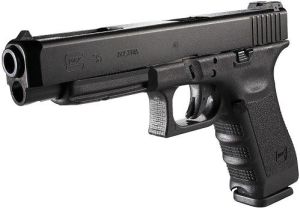
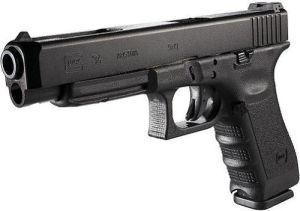
Your first range sessions should be about consistency, not recoil management. A .22 Long Rifle rimfire pistol or rifle is the perfect tool. The negligible recoil and low cost of ammunition (around 8 cents per round vs. 30+ cents for 9mm) allow you to focus on sight alignment, trigger control, and breath management. For a pistol, consider a New GLOCK 35 in .22 LR or a classic Ruger Mark IV. For a rifle, a Shop Marlin 795 is an affordable and reliable choice. Shoot 500 rounds of .22 LR before you even consider moving up in caliber.
Progress to Defensive Handgun Drills
Once you can consistently hit a 6-inch target at 10 yards with a .22, you’re ready for a centerfire defensive handgun. Start with a full-size 9mm like a In Stock: P320-FLUX TACOPS or a Buy GLOCK 33. The added weight soaks up recoil. Now, training shifts from paper-punching to practical skills. Find a course that teaches drawing from a holster, shooting from retention, rapid reloads, and engaging multiple targets. Dry-fire practice at home is non-negotiable—spend 15 minutes a day practicing your draw and trigger press with an absolutely verified empty firearm. This builds muscle memory without costing a dime in ammo.
Incorporate Movement and Scenario Training
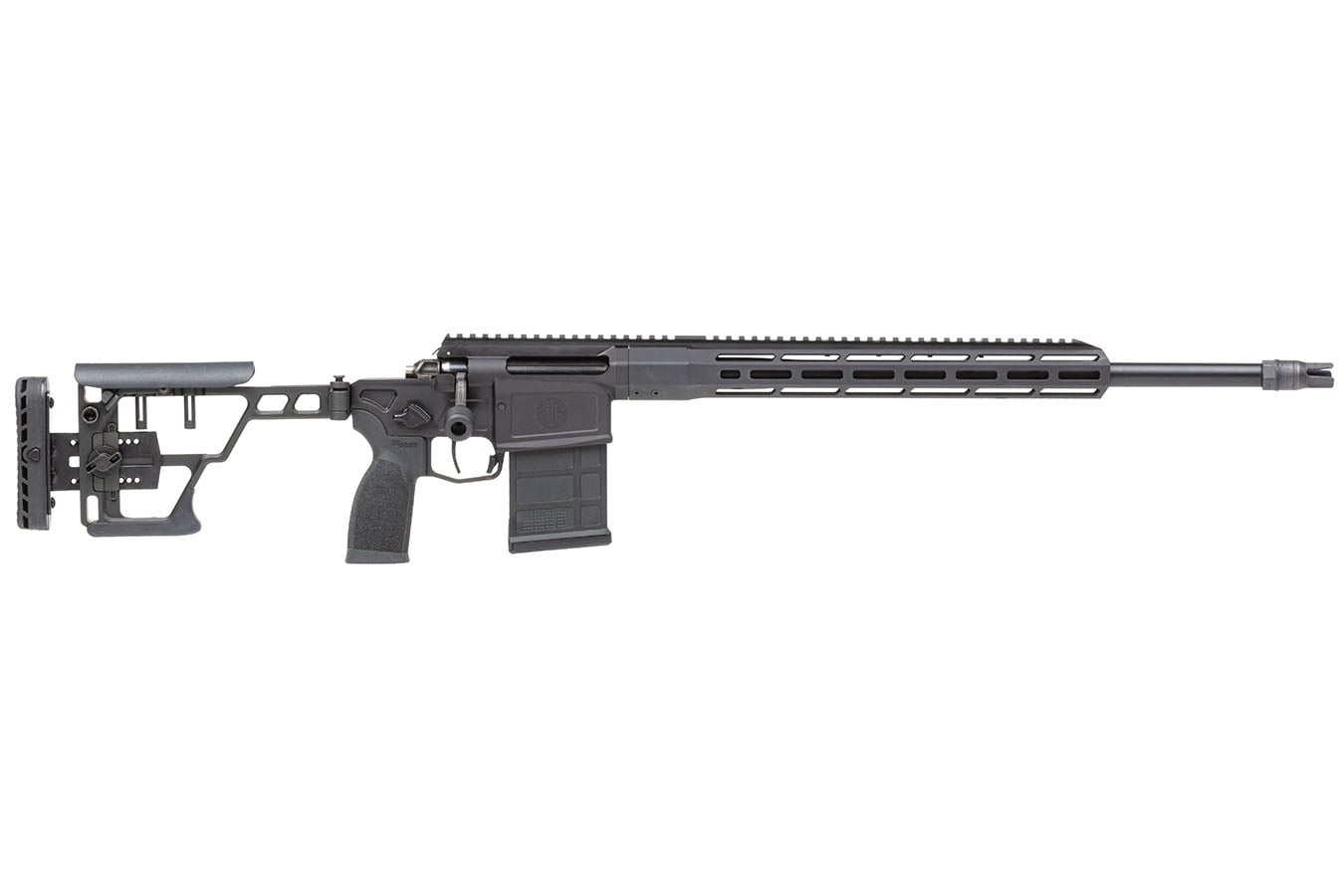
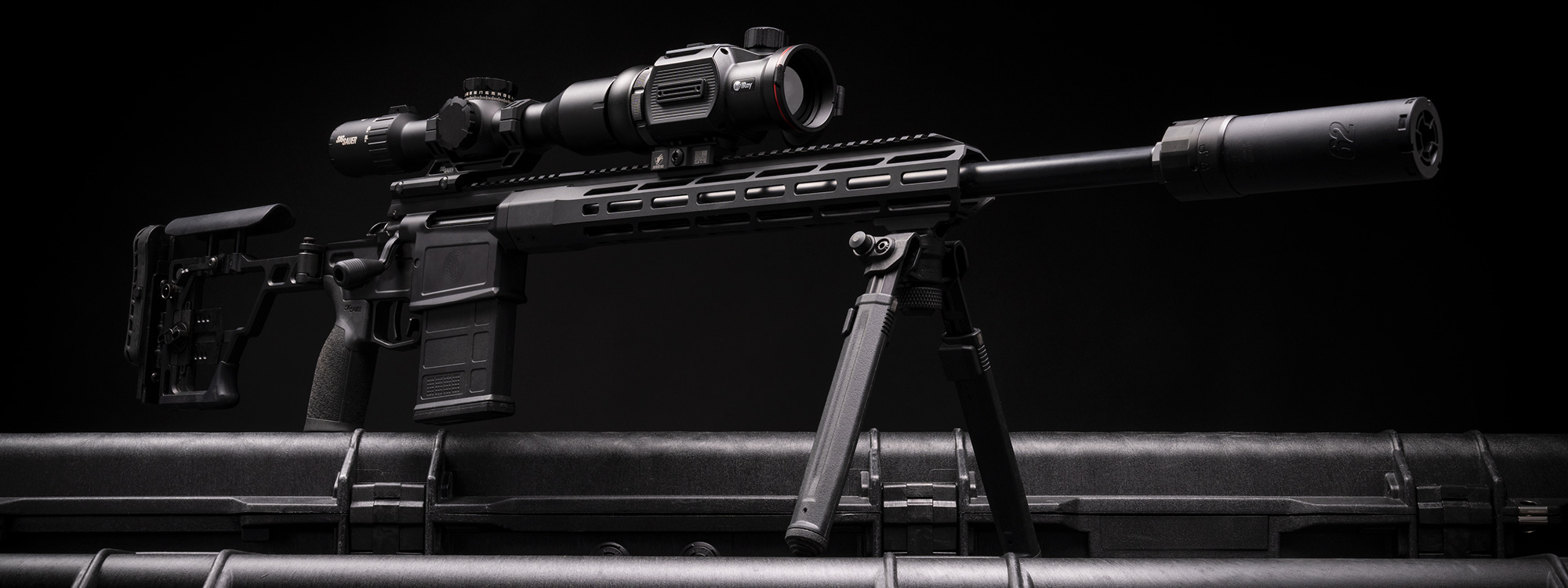
Static shooting is a baseline, but real-world situations are dynamic. The next level of training involves moving off the line of attack. Seek out a “Defensive Pistol” or “Tactical Carbine” course that incorporates lateral movement, shooting from behind cover, and low-light techniques. This is where a rifle platform like the CROSS STX – Fast Ship shines, offering stability for precise shots under stress. These courses will expose your gear’s weaknesses—you’ll learn why a sturdy belt, a quality holster from our Accessories collection, and a weapon-mounted light are essential, not optional.
Commit to Ongoing Practice and Advanced Courses
Training is not a one-time event. Skill degradation is real. Plan to take at least one formal course per year and commit to monthly range time. After mastering handguns, consider a precision rifle course to understand wind reading and ballistics, or a shotgun course for home defense. Advanced training also means learning emergency medical skills like applying a tourniquet. Your journey should be progressive: Safety > Fundamentals > Defensive Skills > Advanced Application. The right firearm, like those in our Handguns collection, is a tool that becomes more effective as your skill grows.
What is the single most important skill for a beginner to learn?
Trigger control. A smooth, straight-back press to the rear without disturbing the sight picture is 90% of accurate shooting. Jerking the trigger is the most common beginner error. Practice this dry-fire daily.
How much ammunition should I budget for training?
For your first 6 months, budget for at least 1,000 rounds of .22 LR and 500 rounds of 9mm (or your primary caliber). Quality training consumes ammo. Buying in bulk from a reputable source like Illinois Gunshop is the most cost-effective method.
Is a revolver or a semi-auto better for a beginner?
For pure simplicity of operation, a revolver like the New Charter Arms Boomer has merits. However, for defensive use, a modern striker-fired semi-auto like a Glock or SIG Sauer is easier to shoot accurately, has higher capacity, and is faster to reload. Start with a full-size model in 9mm for manageable recoil.
Browse our firearms collection
Last updated: March 27, 2026